

I Surprised Him, Then I Let Him Go

I Surprised Him.
Then I Let Him Go.
I wanted to be there for the concert. And I was. But I also wanted him to have this experience to himself.
I surprised him. Then I let him go. A mother knows that helping them grow is often by letting go.
I wanted to be there for the concert. And I was. I watched him perform in one of the most extraordinary concert halls in Czech history.
But I also wanted him to have this experience to himself.
There is a particular kind of growth that only happens when a parent is not in the room. When they have to figure it out, feel it fully, and own every part of it without someone there to soften the edges.
A mother knows that helping them grow is often by letting go.
Don't get me wrong. It is still the hardest thing ever.
I may have reminded him to drink water and wear sunblock. And after the concert I may have snuck a big bag of Czech Cheetos and Bueno Bars into his music bag.
Because a mother's love has many languages and snacks is one of them.
But then I stepped back. And let him be exactly who he is becoming.
That's not distance. That's the deepest kind of love.
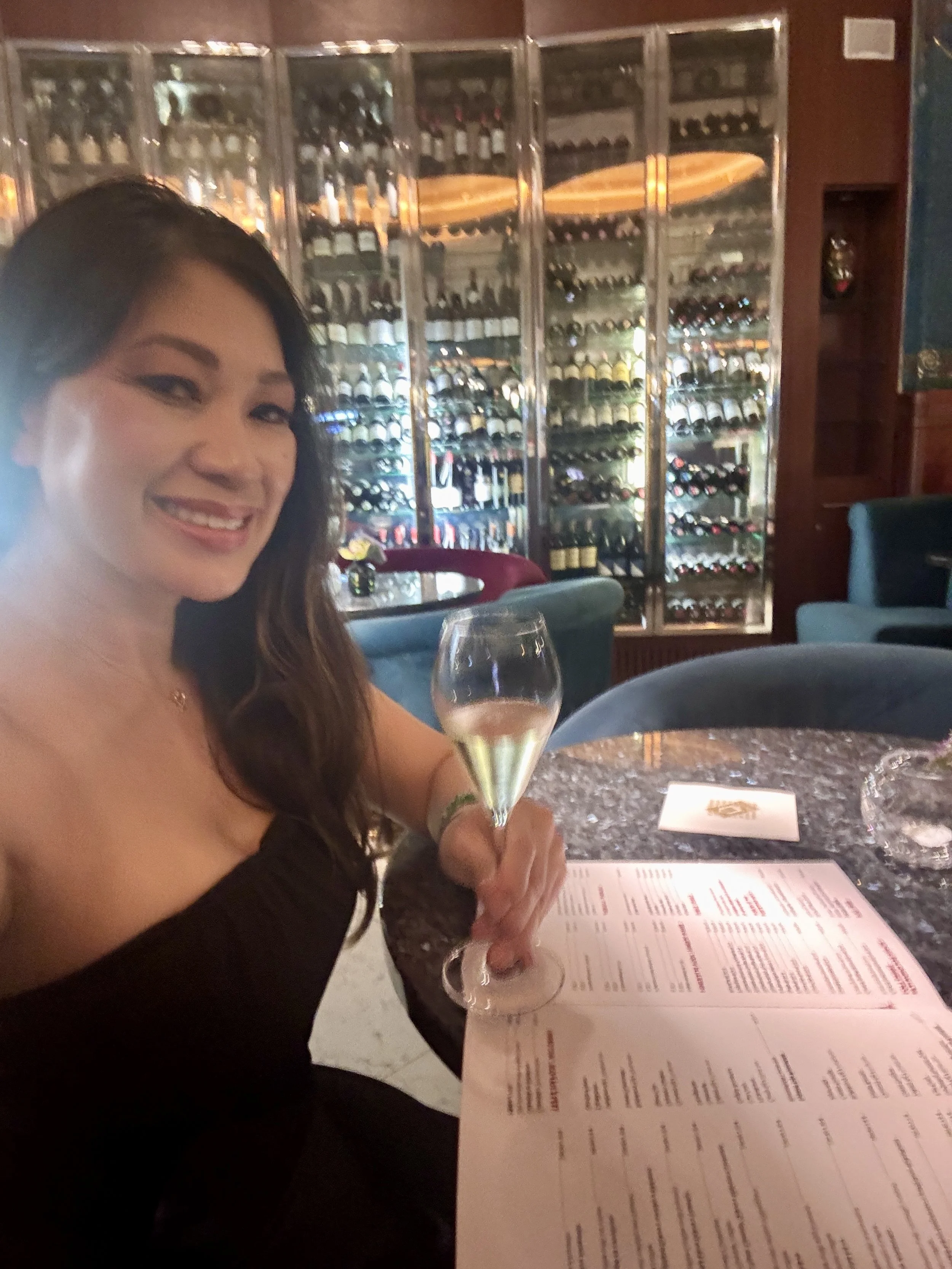
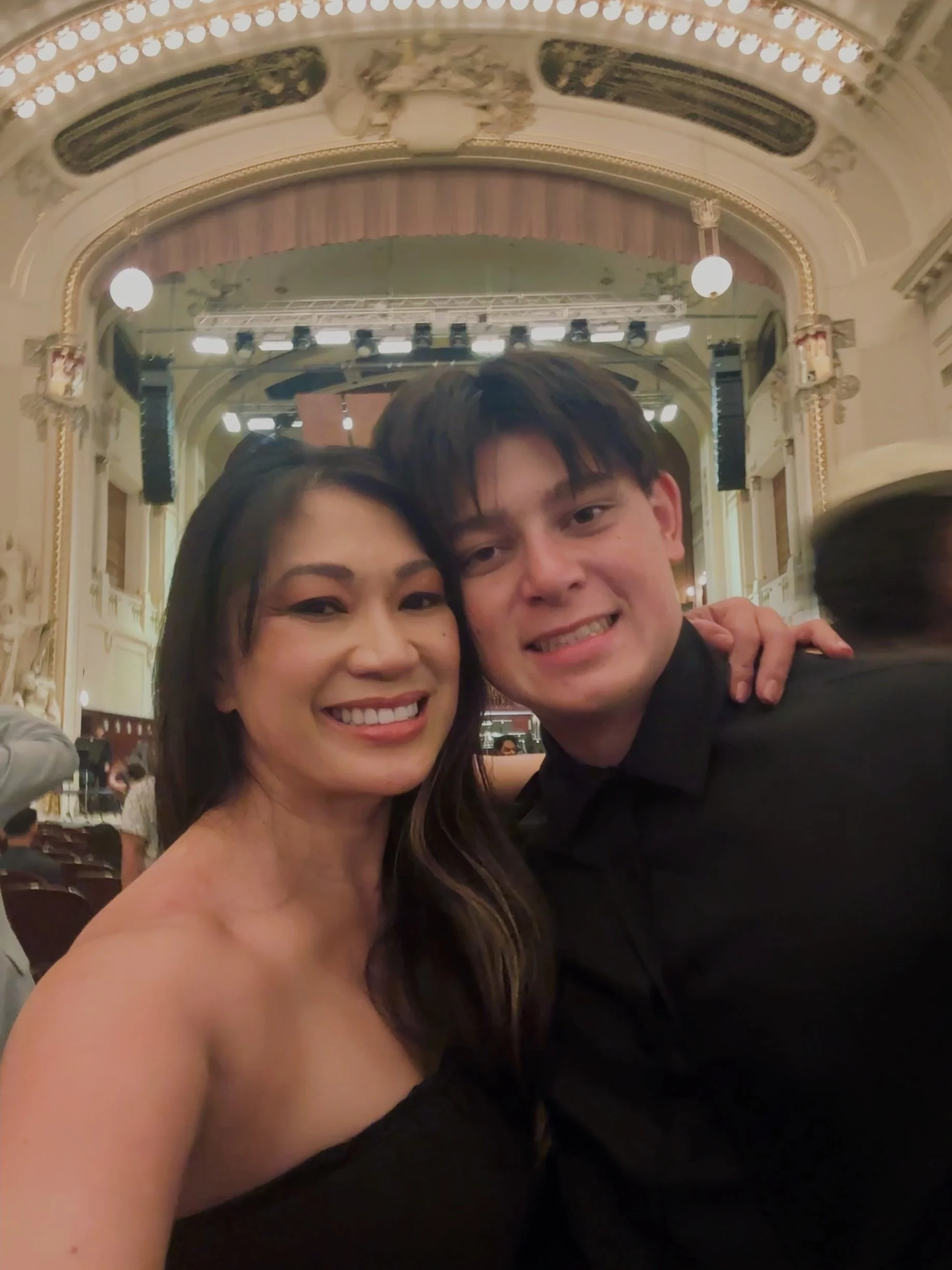

There is a concept in developmental psychology called differentiation. It describes the process by which a child gradually develops a separate sense of self, distinct from their parents. Healthy differentiation is not rejection. It is not distance. It is the natural and necessary movement toward autonomy that every young person needs in order to become themselves.
Research in attachment theory, particularly the work of John Bowlby and Mary Ainsworth, shows us that the most securely attached children are not the ones whose parents are always present. They are the ones whose parents are consistently available and then trust them to explore. The secure base is not about proximity. It is about the child knowing they can return if they need to, and feeling safe enough to go.
When a parent stays too close, something subtle happens. The child's nervous system reads the parent's presence as a signal that the situation requires monitoring. That there is something to be managed. That they are not quite safe enough to be fully on their own. And in response, something in the child softens back toward a younger version of themselves.
What Gavyn needed that night was not my company. He needed to feel the full weight of what he had done. The performance. The exhaustion. The pride. The experience of being a young man in a foreign city having just performed on an international stage. He needed to feel all of it without me there to receive it for him.
So I stepped back. Because I understood that my presence would have changed the experience for him in ways that would have cost him something important.
That is the quiet work of parenting that nobody talks about. Not the showing up. The stepping back. Trusting that everything you have given them is enough to carry them through the moments you are not in.
It is. It always is.
A children's book about fear, courage, and the wisdom of the body. Written for children. Needed by all of us.
Get Hello FluttersBefriending your fear is where healing begins.
These stories are proof of that. Not theory. Not framework. Just the road, and what it asked of me.
Dr. Maria Grace Wolk · mariagracewolk.com